DIY Fly Tying Kit: A Practical Guide to Creating an Effective Kit
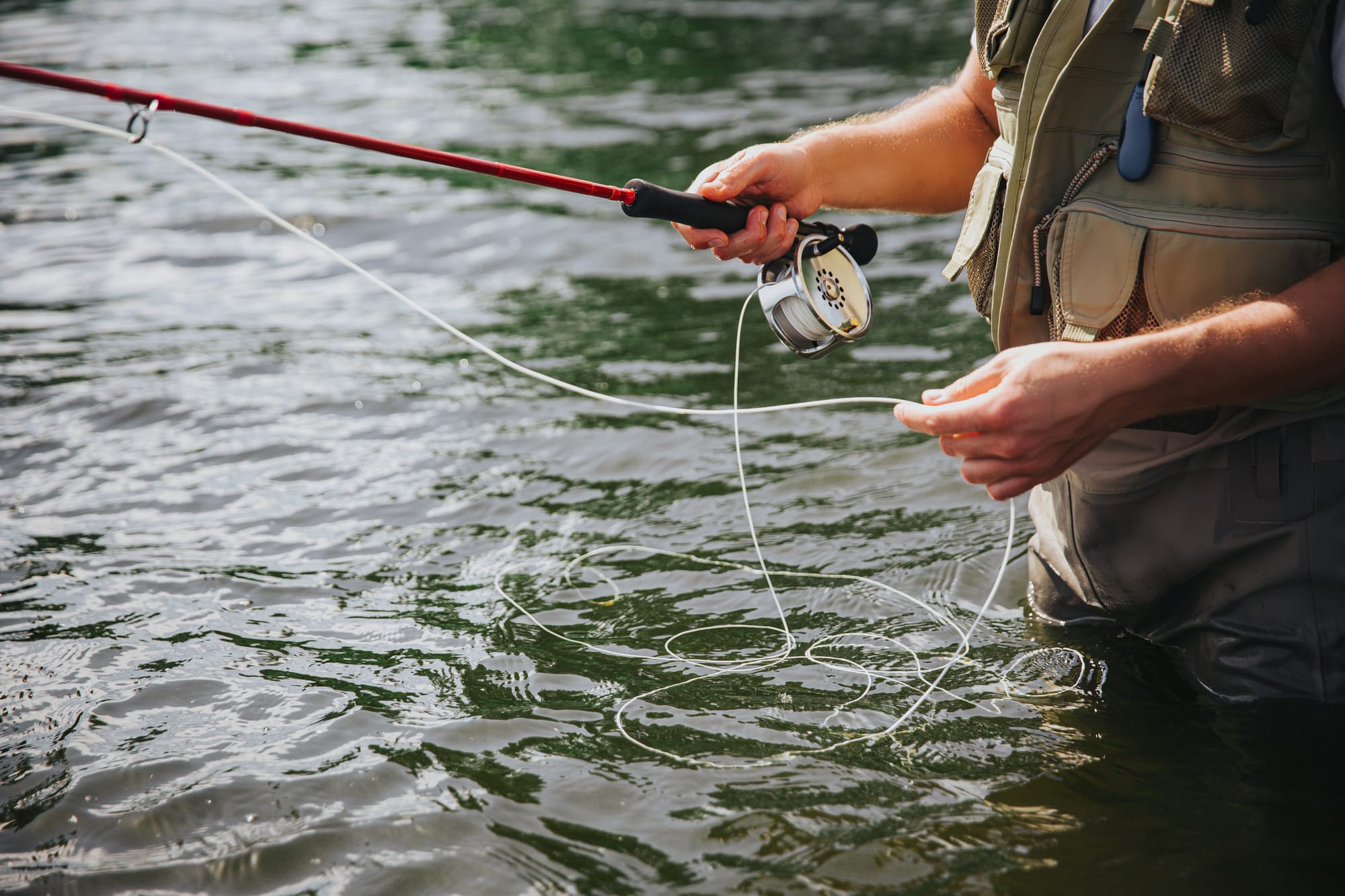
A good fly-tying kit saves you time between sessions. When everything is within easy reach, you can stay focused on proportions, tension, and finishing. In this guide, you'll build a simple, portable, and adaptable kit, even if you only have a small coffee table. We'll cover essential tools, materials to store efficiently, and an organizational method that helps you progress without buying unnecessary equipment.
Why prepare a fly-tying kit before starting
A ready-to-use kit serves two purposes: consistency and enjoyment. Consistency, because you repeat the same steps with the same settings, which stabilizes your results. Enjoyment, because you don't spend 20 minutes searching for a feather or a spool. For a beginner as well as an experienced fly tyer, the ideal kit is one that goes everywhere with you: at home, on vacation, or just before a trip to the river.
The best approach is to think in terms of "modules." One module for thread, another for hooks, one for fibers, and one for finishing touches. If an item is missing, you replace the module, not the entire kit. This also helps keep your workspace tidy, reducing tying errors and making your sessions much smoother.
Before buying anything, consider how you'll actually use it. Do you mainly tie nymphs? Do you fish small streams where fine sizes are best? Or do you fish wider waterways where streamers are more useful? Answering these questions will help you choose the right sizes, colors, and materials, and prevent you from accumulating items you'll only use once.
Assembly tools: the foundation for clean work
Start with a sturdy vise, even a simple one, with a jaw size suitable for the hooks you use most often. Add a good pair of fine scissors for trimming close to the hook, and a sturdier pair for thicker materials. Hackle pliers, a small comb, a dubbing needle, and a finishing knot tool will cover most of your needs. The goal isn't to have everything, but to have reliable tools that are easy to find and pleasant to use.
Also consider ergonomics: a clear surface, a box for scraps, and good lighting save more time than any additional gadget. When your workstation is comfortable, you stay focused longer and make fewer mistakes on the details that matter: head, proportions, finish.
- Vise + lighting: stability and visibility above all.
- Fine scissors: for clean cuts and finishing touches.
- Needle: to clear the eye and correct a twist.
- Hackle pliers: for winding without breaking the fibers.
- Final knot tool: for securing without excess glue.
- Small magnet: to avoid losing the hooks during assembly.
Materials and consumables: buy less, choose better
To remain efficient, limit your selection to start. An assortment of fly hooks in 3-4 sizes, two colors of thread, and a few versatile fibers are sufficient for learning. The fly tying thread should be consistent with your target: finer for small dry flies, a bit stronger for nymphs and weighted flies. Add beads, tinsel, a little chenille, and some feathers (rooster, CDC, tail fibers) to cover several pattern families.
The key difference is having a "binding" substance to create a clean, even body. A small bag of fly dubbing in a natural shade (olive, brown, or gray) allows you to learn how to apply and twist it, creating a profile without excess thickness. Don't buy 15 colors right away: choose 2-3 useful shades, then expand based on the insects you actually see in your rivers.
Finally, avoid the "everything at once" trap. Trying just one new material per set of flies allows you to understand its behavior: how it attaches, how it cuts, how it reacts to tension. It's a slo