Fly fishing for beginners: a simple guide to successfully tying your first easy fly patterns
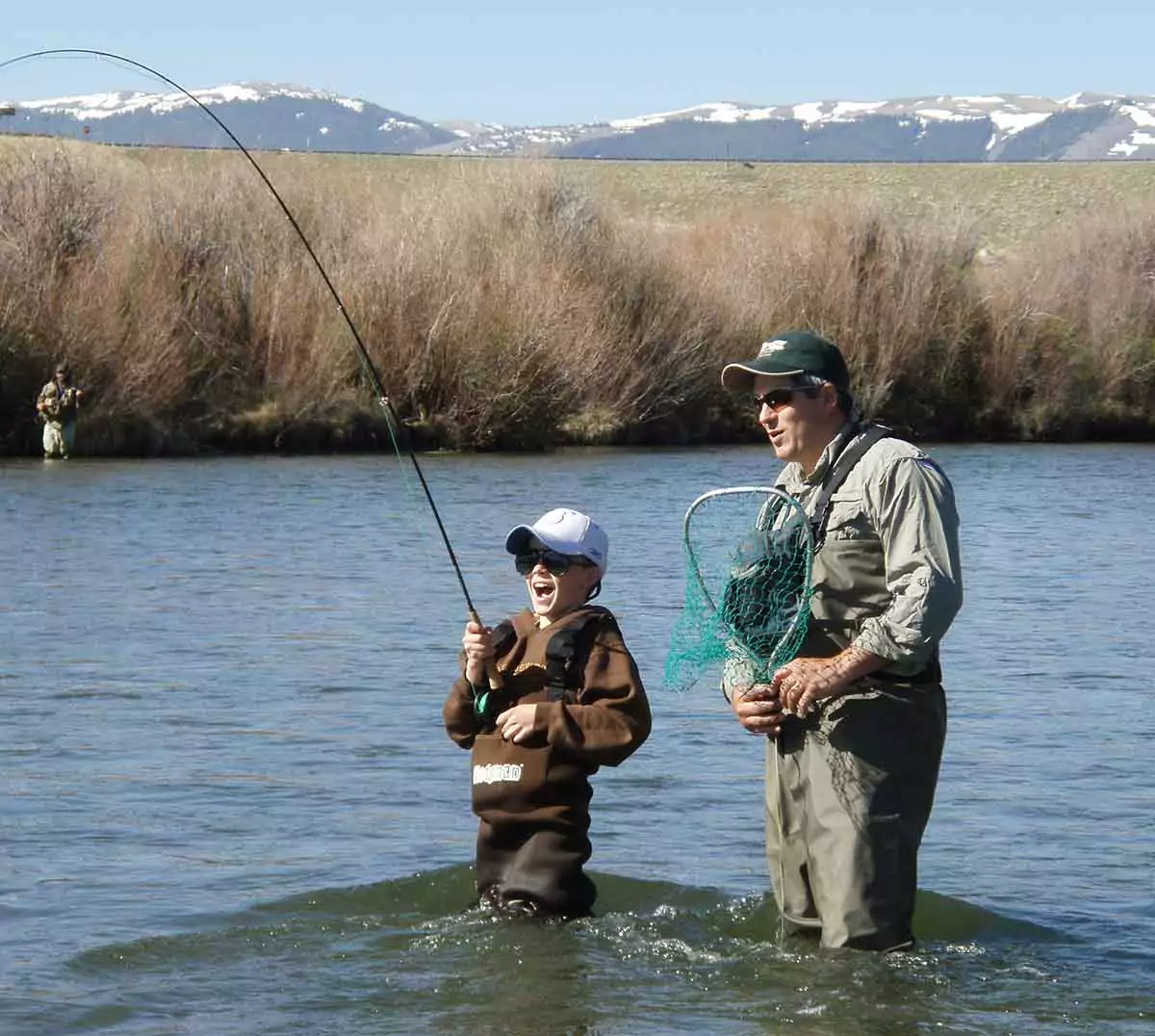
If you're a beginner fly fisherman, the hardest part isn't the technique, it's knowing where to start. Between rods, lines, knots, flies, and tying, it's easy to get overwhelmed and buy too much. This guide provides a simple path: the minimum equipment, key techniques, and easy-to-understand tying patterns, so you can progress quickly and fish with confidence.
Fly fishing for beginners: the basics in 10 minutes
The goal of fly fishing is to present a light imitation with a natural drift. To begin, remember three things: control your line, present silently, and follow your fly with your eyes. The cast is important, but reading the water is even more so: calm areas, edges, currents, and especially the transitions between depth and speed. That's where the fish are holding and where your chances increase, even with imperfect technique.
Don't try to master everything at once. Focus on a single river, a single type of swim, and a single family of flies for a few outings. You'll more quickly understand the drift rhythm, the effective distance, and typical mistakes (drag, setting the hook too late, incorrect tension).
A simple exercise: fish "short." Cast your fly 6-8 meters away, no more, and focus on the quality of the drift. You'll see more, manage the line better, and have fewer tangles. Distance comes later, once the basics are solid.
Fly fishing equipment: the minimum list
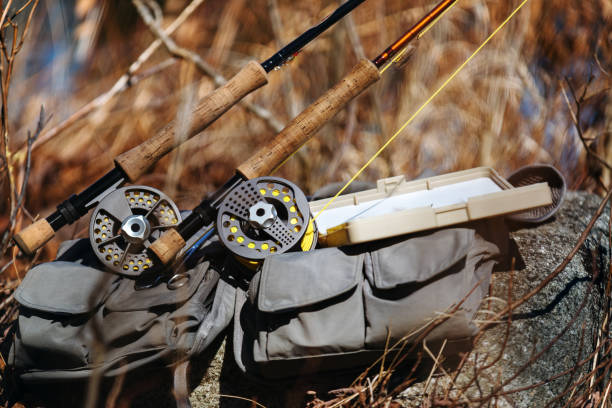
To get started, you don't need a whole arsenal of tackle. A versatile rod (often a #4 to #6 depending on the water), a simple reel, a suitable fly line, and a leader are all you need. For fly tying, a small kit with a vise, a bobbin holder, scissors, and a needle is enough to get you started. Add a tackle box to save time, and pliers for cleanly unhooking fish. The idea is to keep your gear light and spend time on the water, not poring over catalogs.
- A rod + a fly line that are compatible: simple and well-tuned is best.
- A progressive leader: a more natural presentation.
- A fly box: visibility and quick sorting.
- A lightweight landing net: less stress for the fish.
- A pair of polarized sunglasses: makes reading the water easier.
- A wire cutter: for quick and clean changes.
Choosing your first artificial fly without making a mistake
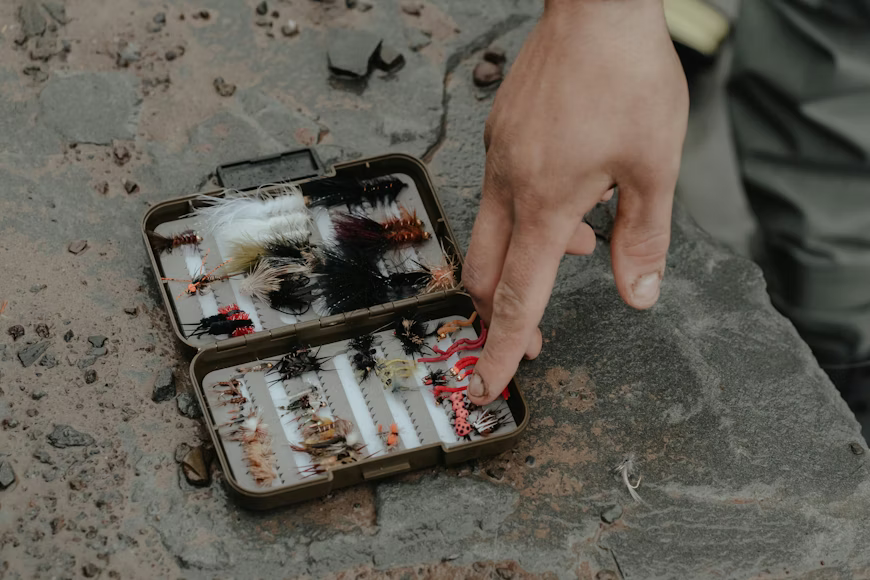
The first rule: imitate the size before imitating the color. A well-sized imitation often catches more than a perfect but oversized one. For a beginner, choose forgiving patterns: a simple dry fly, an easy-to-control weighted nymph, or a small streamer. Observe the insects, but above all, observe the fish's behavior: surface rises, feeding frenzies, and refusals. Each signal tells you whether you need to drop down, slow down, or change your approach.
Start with 6-8 patterns, not 60. You'll learn to fish properly, detect bites, and understand why it works. Only then should you expand your fly box with more technical variations.
Practical tip: when in doubt, choose a subtle imitation, then play with the depth and drift. Changing patterns five times without changing your fishing angle gives the illusion of making a difference, but doesn't solve the real problem.
Tying artificial flies: a simple method
Fly tying is a lesson in precision. Start with simple bodies: thread + dubbing, or thread + tinsel, then add a hackle or a wing. The real secret is proportion: a tail that's too long, a head that's too big, or irregular wraps make the fly less stable. Work slowly and repeat a single pattern in a ser