Trout fishing: the best flies, and how to tie them effectively
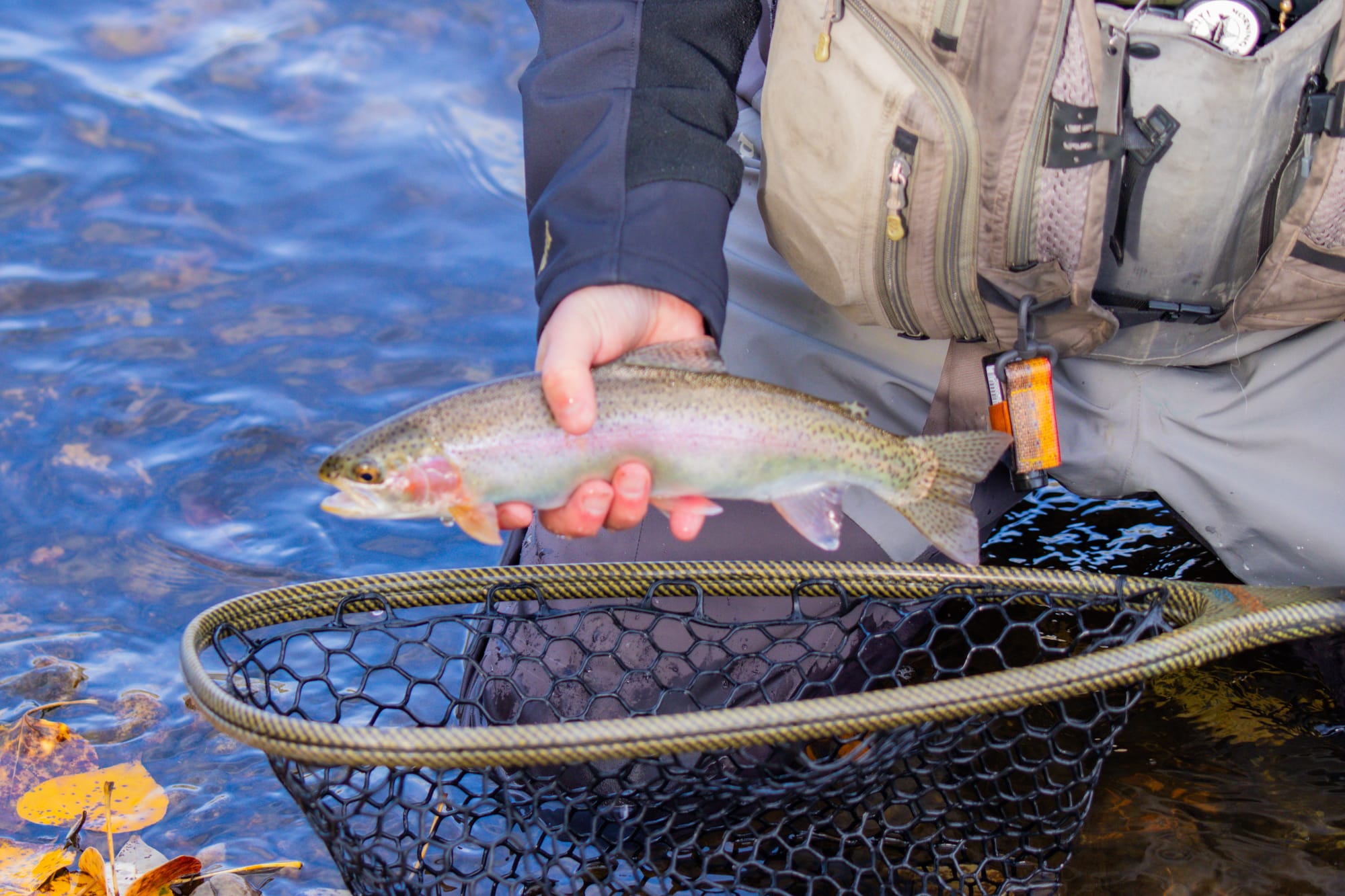
When trout fishing, choosing a fly isn't a lottery; it's a matter of strategy. By observing the water, the season, the size of the insects, and the current speed, you can select a logical pattern and fish more often with precision. In this article, you'll discover effective fly families, how to adjust sizes, and some tying principles for creating strong and consistent imitations.
Trout fishing: understanding what trout "validate"
Trout don't eat color; they eat a signal: size, shape, movement, and drift. In a fast current, they have little time to decide. In slow water, they inspect more thoroughly. This is why the same pattern can be excellent one day and mediocre the next. The best starting point is consistency: an imitation close to the correct size and a presentation without drag.
Keep in mind that trout feed mostly below the surface. Even if you see rises, a well-presented nymph can make all the difference. Therefore, your selection should cover several water depths, with a simple approach rather than an endless array.
Another key point: the fishing spot. A trout under an undercut bank doesn't react like a trout in a strong current. Before changing your fly, change your angle and drift. That's often where the solution lies.
Artificial flies for trout: 8 families to know
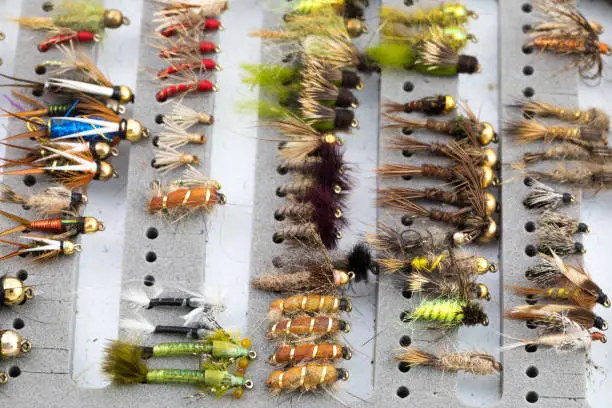
To cover the essentials, think in terms of families rather than patterns. Here's a handy chart: classic dry flies (mayflies), emergers, sedges, heavy nymphs, light nymphs, beadheaded nymphs, streamers, and terrestrial flies (ants, grasshoppers). With 2-3 sizes per family, you'll already be ready for most situations.
- Dry flies: fine presentation, drift without pull.
- Emerging: when surface refusals follow one after another.
- Nymphs: effective from spring to autumn.
- Streamers: useful in stained water and at the beginning/end of the season.
- Terrestrial: formidable in summer, especially near the banks.
Adapt the choice to the season, the flow rate and the position
Many anglers think in terms of "fishing bait," but with fly fishing, you're mainly focused on shape and drift. Early in the season, cold water favors slightly heavier nymphs and slow retrieves. In summer, fish rise more frequently and respond better to finer, sometimes terrestrial, patterns. In autumn, streamers can trigger opportunistic strikes, especially in deeper currents.
On the water, keep it simple: if you're getting bites but few fish, reduce the size of your fly. If you're not catching anything, change the depth first before changing the pattern. Often, the right fly was already there, but in the wrong water.
Finally, don't neglect line management. A free and controlled drift often achieves more than simply changing your pattern. In fast currents, mow early. In slow waters, reduce tension.
Reading the water: quickly locating trout spots
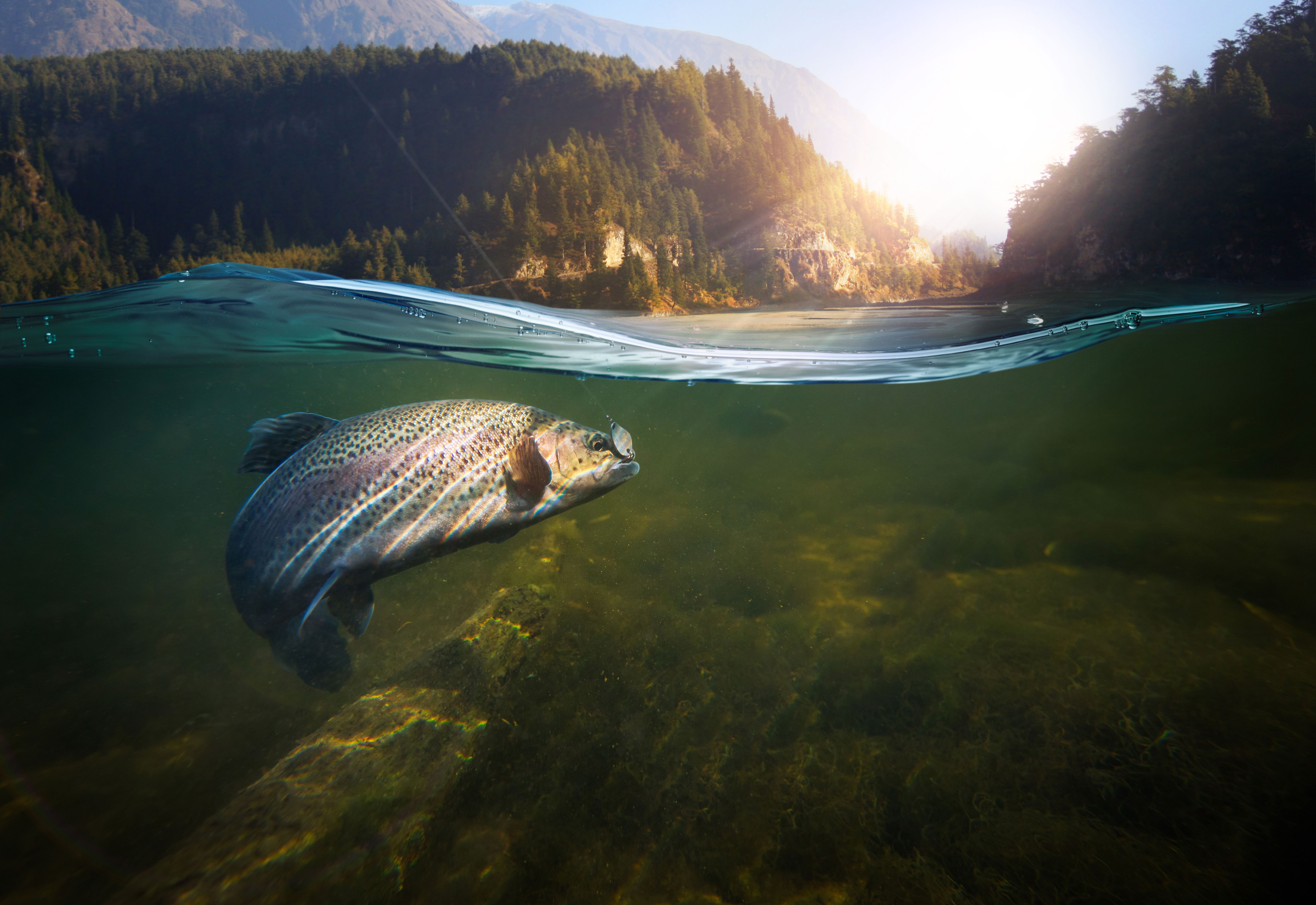
To find the fish, first look for "breaks": a change in speed, depth, or texture. A fast-flowing current alongside slower water, a rock breaking the current, a pool outlet that accelerates, or a slightly sloping bank are classic spots. Trout position themselves where they can conserve energy while still having access to the food flowing through the current.
Approach methodically: move slowly, minimize vibrations, and fish the areas closest to you first. In clear water, the angle of the sun and your shadow are crucial. If you get too close, the spot will "close up" without you understanding why. It's be